9. Impact of diabetes on symptom perception
People with long-standing diabetes are at increased risk for heart attacks that present atypically. Diabetes can cause neuropathy, damaging the nerves that transmit pain signals from the heart.
As a result, individuals with diabetes may experience less intense or absent chest pain during a heart attack, a phenomenon sometimes called “silent ischemia.” This lack of typical symptoms can delay recognition and treatment.
Because of this, individuals with diabetes should be especially vigilant for other signs such as unexplained shortness of breath, fatigue, and sweating. Regular cardiovascular risk assessment and management are critical in this population.
10. Age-related symptom misinterpretation
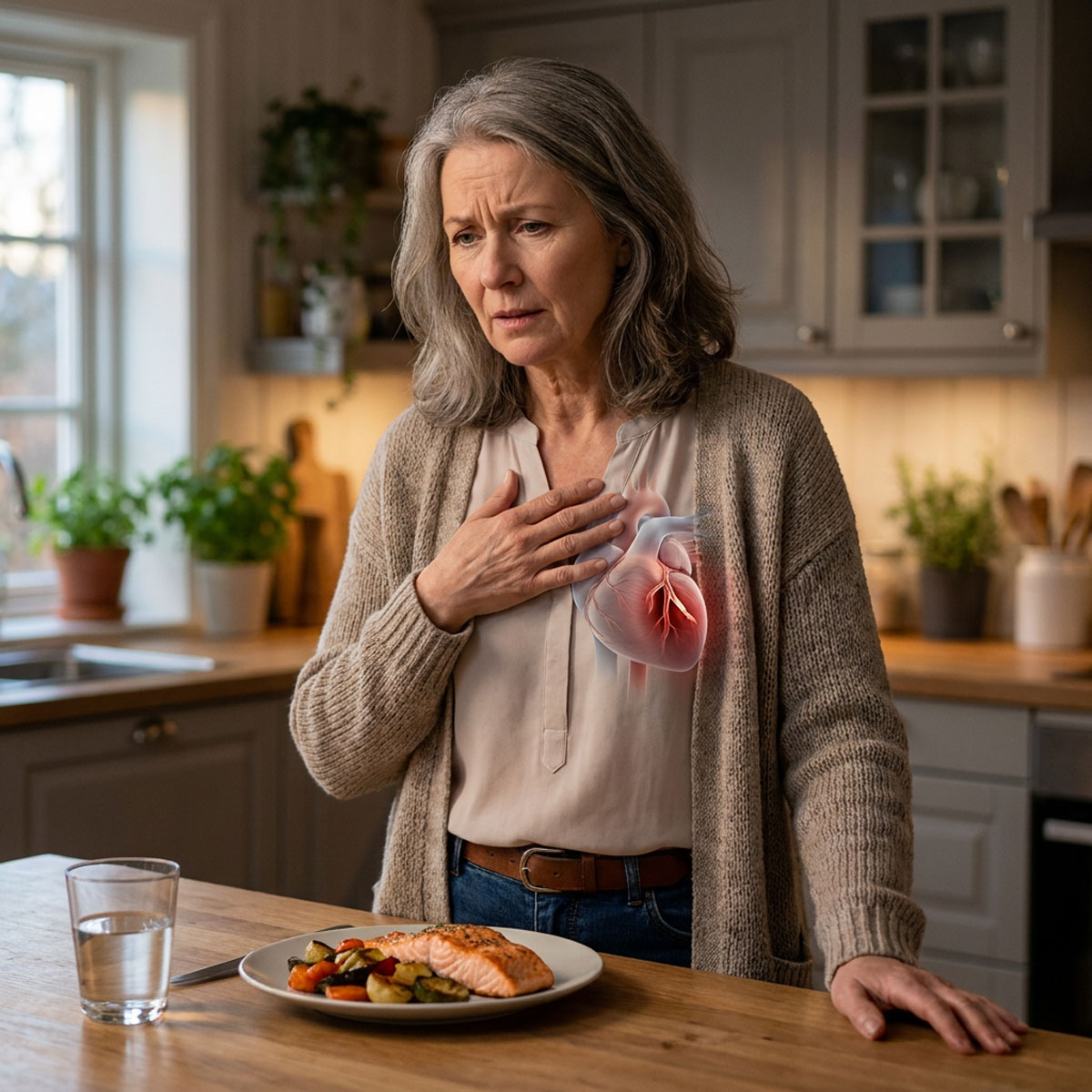
Older women often attribute new symptoms like fatigue, breathlessness, or mild discomfort to normal aging, stress, or lifestyle factors. While some changes are expected with age, new or unusual symptoms warrant prompt medical evaluation.
Misinterpreting heart attack symptoms as aging-related can lead to dangerous delays. It is important to differentiate between chronic conditions and acute cardiac events.
Healthcare providers should maintain a high index of suspicion for heart disease in older women presenting with atypical symptoms.
When to See a Doctor
If you experience any new, unusual, or unexplained symptoms such as chest discomfort, shortness of breath, jaw or arm pain, nausea, sudden sweating, lightheadedness, or extreme fatigue, seek emergency medical care immediately. Do not wait to see if symptoms resolve or attempt to self-diagnose.
Early evaluation in an emergency setting can determine whether you are having a heart attack and allow prompt treatment to minimize damage.
Conclusion
Heart attacks in women often present with subtle, atypical symptoms that can be mistaken for less serious conditions. Chest discomfort may not feel like pain and is frequently accompanied by other signs such as shortness of breath, nausea, or fatigue. Recognizing these warning signs and acting quickly by calling emergency services can save heart muscle and lives.
Do not let uncertainty or understandable explanations delay emergency care. When in doubt, seek immediate evaluation. Your vigilance and prompt action are critical to improving outcomes.
This article provides general information and is not a substitute for professional medical advice. If you suspect a heart attack, call emergency services immediately.