1. Oven
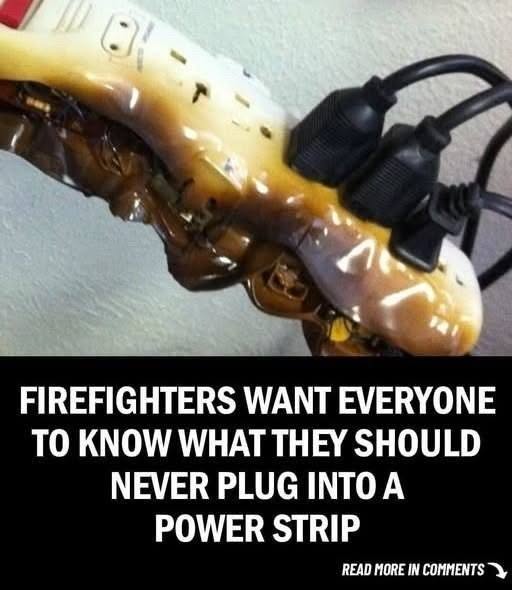
Ovens require considerable electrical power to generate the heat necessary for cooking. They typically draw a high current that exceeds the safe capacity of most household power strips. Plugging an oven into a power strip can cause the strip to overheat, potentially leading to electrical fires or damage to both the oven and your home’s wiring.
Because ovens demand a stable and dedicated power source, they should always be connected directly to a properly rated wall outlet. Many ovens require a 240-volt circuit with a dedicated breaker, so confirm the electrical specifications in your oven’s manual and consult a licensed electrician if needed.
- High wattage draw can overload power strips.
- Ovens often require dedicated 240V circuits.
- Direct wall outlet connection ensures safety and proper function.
2. Refrigerator
Refrigerators cycle their compressors on and off frequently to maintain temperature, causing fluctuating energy demands. These fluctuations can cause voltage drops or surges that power strips are not designed to handle safely over time. Using a power strip with a refrigerator risks tripping the strip’s circuit or damaging the compressor motor.
It is best to plug refrigerators directly into a grounded wall outlet to ensure a consistent power supply. This helps prevent electrical issues and extends the lifespan of your appliance.
- Frequent cycling causes variable power demand.
- Power strips may not handle compressor startup surge.
- Direct outlet use protects compressor and avoids nuisance trips.
3. Heaters
Space heaters and portable electric heaters consume a significant amount of power, often near the upper limit of typical household circuits. Extended use of heaters on power strips can cause overheating and fire hazards due to the continuous heavy load.
Always plug heaters directly into a wall outlet designed to handle the load. Avoid extension cords and power strips with heaters, as they increase risk of electrical failure and fire. Many safety guidelines and electrical codes explicitly prohibit this practice.
- High continuous wattage risks overheating power strips.
- Direct connection to wall outlet reduces fire risk.
- Never use extension cords or power strips with heaters.