7. Power Strips Daisy Chain
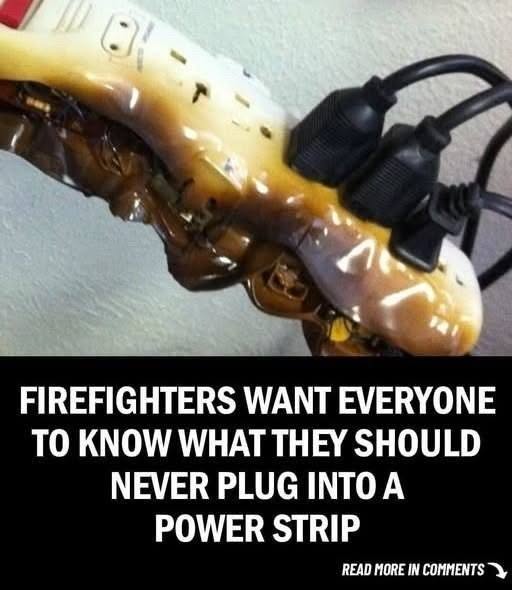
Connecting one power strip into another—known as daisy chaining—is a dangerous practice that violates electrical safety codes. This setup can easily lead to circuit overloads because the total power draw may exceed the rating of the first power strip or the wall outlet.
Daisy chaining increases the risk of overheating, electrical fires, and damage to connected devices. It also complicates circuit protection since multiple strips share one breaker, making it harder to identify the source of overloads.
To avoid these hazards, plug each power strip directly into a wall outlet. If you require more outlets, consider installing additional wall receptacles or using a power strip with more outlets and built-in surge protection rated for your equipment’s total wattage.
- Daisy chaining risks overload and fire hazards.
- Violates electrical codes and safety standards.
- Use dedicated wall outlets or appropriately rated strips instead.
8. Electronics with Surge Protection
Many modern electronics such as computers, televisions, and routers benefit from surge protection to guard against voltage spikes that can damage sensitive components. However, not all power strips provide adequate surge protection.
It is important to use power strips specifically designed with built-in surge protection for these devices. These strips contain components like metal-oxide varistors (MOVs) that absorb excess voltage and help prevent permanent damage during power surges.
When selecting a surge protector, consider the following features:
- Joule rating indicating energy absorption capacity.
- Indicator lights confirming active protection.
- Appropriate number of outlets and cord length.
- UL certification or equivalent safety standard.
Regularly replace surge protectors every few years or after a significant surge event to maintain effectiveness.
Practical Guidance
To maintain electrical safety and protect your appliances, follow these key practices:
- Always plug high-wattage appliances directly into dedicated wall outlets.
- Avoid daisy chaining power strips to prevent overloads.
- Use surge-protected power strips for sensitive electronics only.
- Check the wattage ratings of your devices and power strips to ensure compatibility.
- Inspect power strips regularly for signs of wear, damage, or overheating.
- Consult a licensed electrician if you need additional outlets or circuit capacity.
When to See a Doctor
Electrical fires or shocks can cause serious injuries. If you or someone else experiences electrical shock, burns, or symptoms such as chest pain, difficulty breathing, or loss of consciousness after contact with electrical equipment, seek emergency medical care immediately.
For persistent symptoms like unexplained headaches, dizziness, or respiratory issues linked to electrical appliance use or suspected electrical fires, consult your healthcare provider for evaluation.
Conclusion
Proper use of power strips is essential to avoid fire hazards, equipment damage, and electrical accidents. High-power appliances such as ovens, heaters, microwaves, and refrigerators should always have dedicated outlets. Avoid daisy chaining power strips and ensure sensitive electronics are protected with surge-capable strips. Following these guidelines helps maintain a safer home and prolongs the lifespan of your electrical devices.
Disclaimer: This information is for educational purposes only and does not replace professional advice. Consult qualified electricians for any electrical installation or safety concerns.