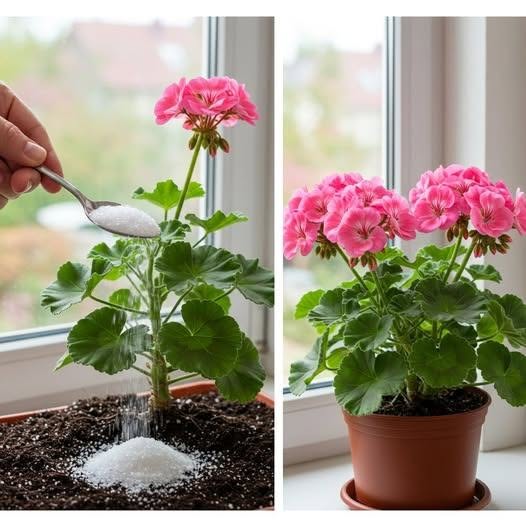
3. Soil moisture management
Maintaining consistent soil moisture without waterlogging is crucial for healthy geranium growth. The soil should be moist enough to support root activity but never soggy. A soil moisture meter can help you monitor this precisely. Alternatively, inserting a finger about an inch into the soil can indicate moisture levels; the soil should feel damp but not wet.
Mulching around the base of the plant can help retain soil moisture, reduce evaporation, and regulate temperature fluctuations. Organic mulches such as shredded bark or compost are preferred, as they also improve soil structure over time.
4. Avoiding overwatering
Overwatering is a common cause of poor flowering and root rot in geraniums. When the soil remains saturated for prolonged periods, oxygen levels drop, suffocating the roots and encouraging fungal infections. Symptoms include yellowing leaves, wilting despite wet soil, and a foul odor from the root zone.
To prevent overwatering:
- Ensure pots have adequate drainage holes.
- Water only when the top inch of soil feels dry.
- Avoid watering the leaves to reduce fungal risks.
- Use well-draining soil mixes designed for container plants.
5. Best watering times of day
Watering geraniums early in the morning is optimal. This allows the water to soak into the soil before the heat of the day causes excessive evaporation. Morning watering also gives foliage time to dry, reducing the chance of fungal diseases.
If morning watering is not possible, late afternoon or early evening watering is an alternative, but avoid watering too late to prevent prolonged leaf dampness overnight. In particularly hot climates, a light watering after midday heat can help plants recover, but avoid heavy watering during peak sun to prevent root damage.






