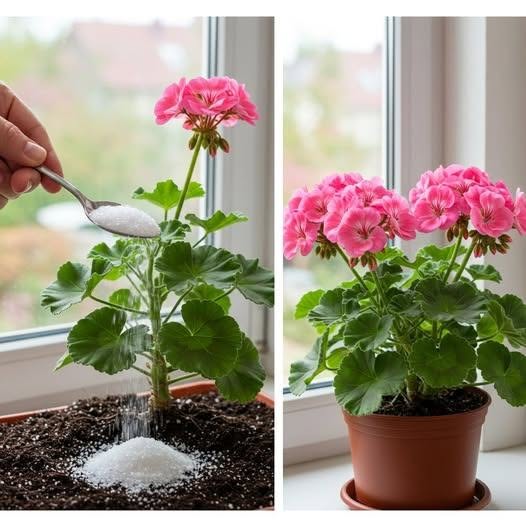
6. Protecting roots from waterlogging
Waterlogging is detrimental to geranium roots because it deprives them of oxygen, leading to root rot and poor flowering. To protect roots, ensure that your planting container or garden bed has excellent drainage. Avoid using heavy clay soils without amendment, as they retain excessive water.
In containers, adding a layer of coarse gravel or broken pottery shards at the bottom before adding soil can improve drainage. Elevating pots on pot feet or bricks also facilitates water flow out of drainage holes.
7. Pot size and drainage
Selecting the right pot size is essential for healthy root development. Geraniums generally thrive in pots around 20 cm (8 inches) in diameter and depth, which provides adequate space for roots without excessive soil volume that retains too much moisture.
For larger or mature plants, pots up to 40 cm (16 inches) may be used, but drainage must be carefully managed. Always check that pots have multiple drainage holes, and avoid saucers that trap water for prolonged periods. Regularly empty saucers to prevent standing water.
8. Light exposure and placement
Geraniums require bright, indirect sunlight for optimal flowering. Direct midday sun can scorch leaves and inhibit blooms, while too much shade reduces flower production. Position plants facing south or southeast to receive gentle morning sun and filtered afternoon light.
Indoors, place geraniums near well-lit windows but away from direct heat sources like radiators or air conditioners, which can cause stress. Adequate light ensures vigorous growth and abundant flowering.