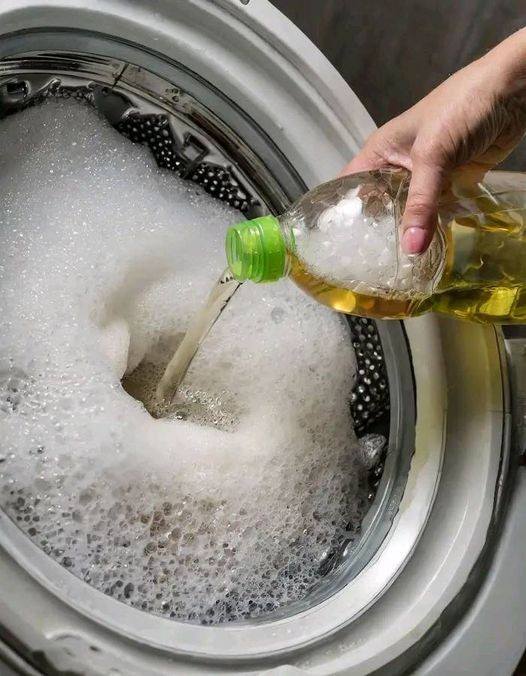
1. Correct vinegar measurement
Using the right amount of white distilled vinegar is essential to achieve the best laundry results without risking damage to fabrics or your washing machine. The standard recommendation is to use 1/2 cup of vinegar per load. For larger or heavily soiled loads, increasing this to 1 cup is appropriate. Exceeding this amount regularly is not necessary and may cause excessive wear on some fabrics over time.
It is important to measure vinegar accurately rather than pouring it directly from the bottle. Using a measuring cup ensures consistent results and prevents overuse, which can lead to lingering vinegar odors if not rinsed properly.
- Use white distilled vinegar only; avoid apple cider or other flavored vinegars.
- Measure 1/2 cup for standard loads, 1 cup for large or extra-smelly laundry.
- Do not exceed 1 cup per load regularly to protect fabric integrity.
2. Adding vinegar to rinse cycle
The optimal point to add vinegar is during the rinse cycle, as this allows vinegar to remove detergent residue and soften fabrics without interfering with cleaning agents. Most washing machines have a fabric softener compartment specifically designed for this purpose. Pour the measured vinegar directly into this compartment at the start of the wash.
If your washing machine lacks a fabric softener dispenser, wait until the rinse cycle begins and then add the vinegar directly into the drum. This ensures the vinegar interacts with the rinse water and fabrics effectively.
Adding vinegar during the rinse cycle also minimizes the risk of vinegar neutralizing detergent action in the wash cycle and maximizes softening and odor-neutralizing effects.
- Pour measured vinegar into fabric softener compartment before starting cycle.
- If no compartment, add vinegar manually at start of rinse cycle.
- For stubborn odors or buildup, consider a second rinse cycle with vinegar alone.