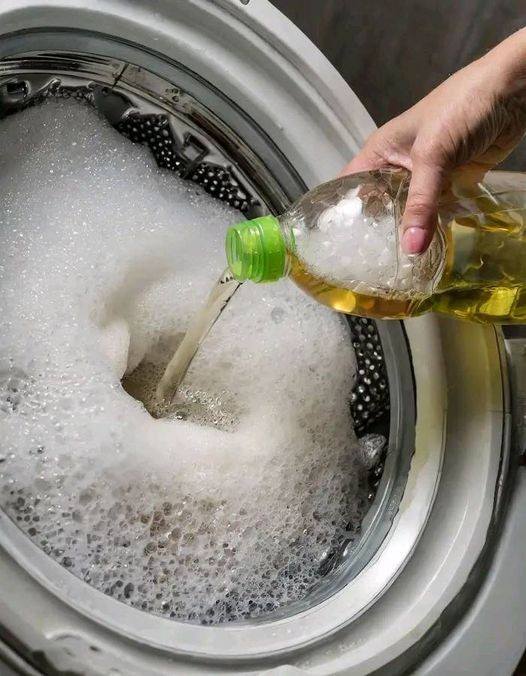
3. Softening towels naturally
Towels often become stiff and rough after repeated washing due to detergent buildup and mineral deposits from hard water. Instead of using commercial fabric softeners, which coat fibers and reduce absorbency, vinegar offers a natural alternative that lifts away residues without leaving a film.
Adding vinegar to the rinse cycle regularly helps towels feel softer and fluffier by breaking down soap scum and mineral deposits. This method preserves towel absorbency and extends their usable life.
To maximize softness, use 1/2 cup to 1 cup of vinegar per load when washing towels. Avoid using fabric softeners alongside vinegar, as they counteract each other.
4. Brightening white clothes
White clothing can dull over time from detergent residue and environmental factors. Vinegar gently dissolves residues that cause dinginess, restoring brightness without harsh chemicals or bleach.
Incorporate 1/2 cup of vinegar into the rinse cycle when washing whites to help maintain their crisp appearance. Vinegar’s mild acidity also helps prevent yellowing and graying by balancing pH and removing mineral buildup.
This approach is safer for delicate whites than repeated bleach use, which can degrade fabric fibers and cause yellowing if not used properly.
5. Neutralizing odors
Vinegar neutralizes odors by breaking down odor-causing compounds rather than masking smells with fragrances. This makes it particularly effective for gym clothes, kitchen towels, and pet bedding that tend to retain stubborn odors.
Adding vinegar during the rinse cycle eliminates lingering sweat, smoke, or mildew smells without irritating synthetic fragrances or dyes. For heavily odor-laden items, running a second rinse cycle with vinegar only can further enhance freshness.
This natural deodorizing effect is ideal for sensitive skin and households avoiding chemical additives.






