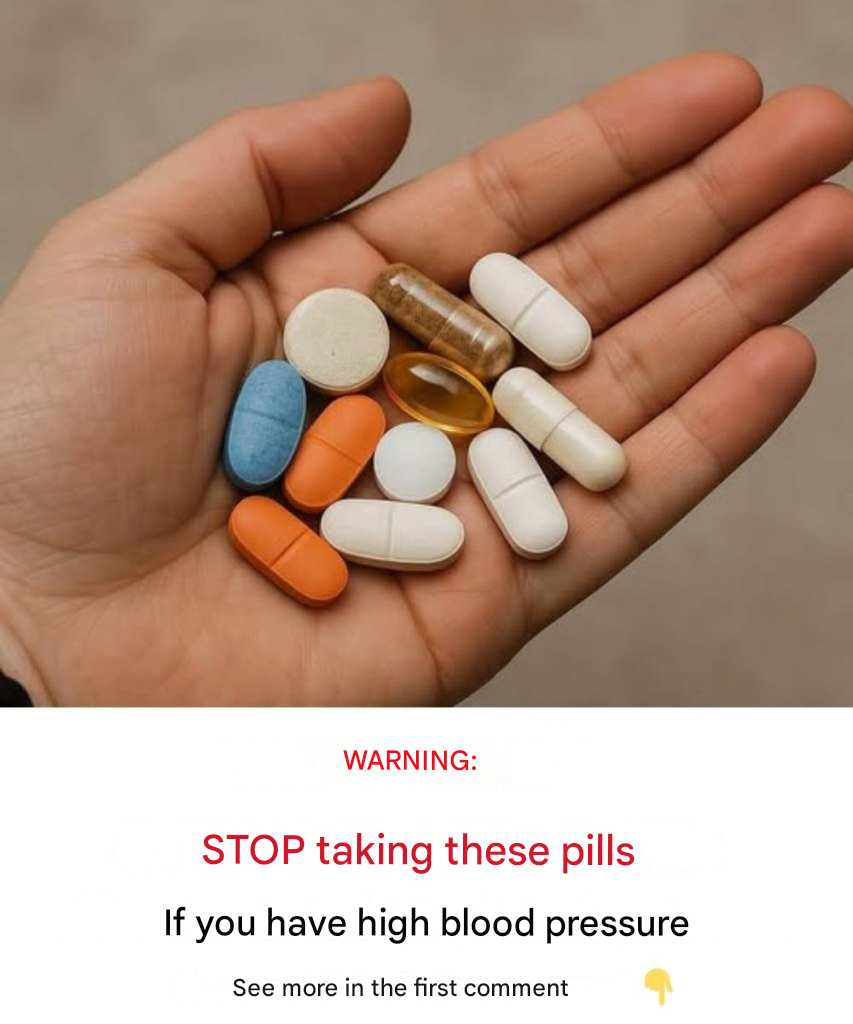
3. Birth Control Pills
Some hormonal birth control pills can raise blood pressure by altering hormone levels and promoting fluid retention. This effect is more pronounced in women over 35 who smoke or already have elevated blood pressure, significantly increasing the risk of cardiovascular complications.
If you have hypertension or risk factors for high blood pressure, your healthcare provider may recommend alternative contraceptive methods or closely monitor your blood pressure while on hormonal birth control.
4. ADHD and Weight Loss Stimulants
Stimulants prescribed for attention deficit hyperactivity disorder (ADHD), such as amphetamine-based medications (e.g., Adderall, Ritalin), and some weight loss supplements can raise heart rate and blood pressure. These drugs stimulate the sympathetic nervous system, causing vasoconstriction and increased cardiac output.
Over-the-counter weight loss products containing caffeine or ephedra-like compounds also pose risks for people with hypertension. These stimulants may cause dangerous blood pressure spikes, which can lead to cardiovascular events.
Anyone with high blood pressure considering stimulant medications or supplements should consult their healthcare provider to carefully weigh the benefits and risks.
5. Herbal Supplements
Many herbal supplements marketed as natural remedies can affect blood pressure or interact with hypertension medications. For example:
- Licorice root can cause sodium retention and potassium loss, raising blood pressure.
- Ginseng may increase blood pressure or interfere with blood-thinning medications.
- Ephedra, banned in many countries but sometimes found in supplements, is a potent stimulant that raises blood pressure.
- St. John’s wort can alter the metabolism of various drugs, potentially reducing the effectiveness of blood pressure medications.
Always inform your healthcare provider about any herbal supplements you use to avoid harmful interactions and blood pressure complications.






