1. Watermelon benefits
Watermelon is composed of about 90–92% water, making it an excellent choice to help prevent dehydration, especially during hot weather. It also contains important vitamins such as A, C, and E, which support the immune system and contribute to maintaining youthful skin.
In addition to vitamins, watermelon is rich in antioxidants that help slow down the aging process of cells. It provides essential minerals like potassium, magnesium, phosphorus, and calcium, which play vital roles in heart health and muscle function. Furthermore, watermelon contains citrulline, an amino acid known to improve blood circulation and enhance potency.
Another benefit is its natural diuretic effect, which assists the body in eliminating excess fluids, promoting overall balance and cleansing.
2. Signs of cracks inside
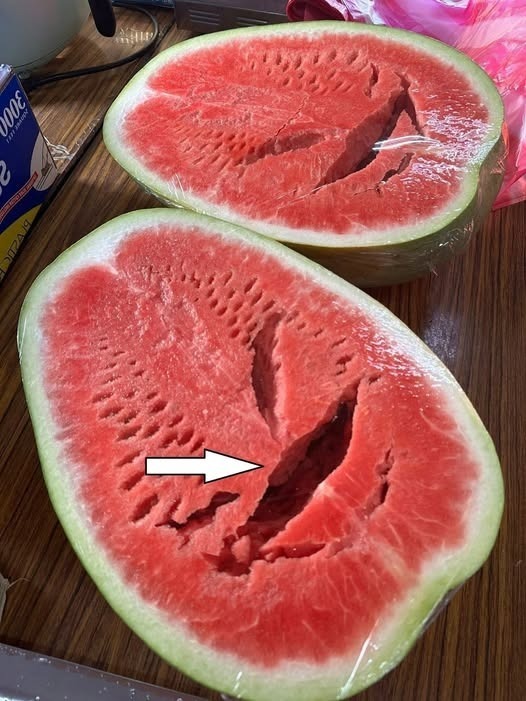
When you cut open a watermelon, pay close attention to the internal texture. If you notice longitudinal grooves, cavities, cracks, or soft and spongy areas within the flesh, these are signs that the fruit is compromised. Such defects often indicate the use of chemicals like chlorfenuron, which can cause abnormal growth and damage to the watermelon’s internal structure.
Even if the watermelon appears perfect on the outside, the presence of these cracks or loose flesh inside suggests poor quality and potential health risks. In these cases, it is safest to discard the fruit rather than consume it.