1. Soybeans
Soybeans are a rich source of isoflavones, a class of phytoestrogens that structurally resemble human estrogen. These compounds can bind to estrogen receptors in the body, providing mild estrogenic effects that may help counteract declining hormone levels, especially during menopause.
Consuming soy products such as tofu, tempeh, edamame, or soy milk several times a week can help maintain skin hydration, reduce wrinkle formation, and support bone density. Isoflavones have also been linked to easing menopausal symptoms like hot flashes and vaginal dryness, as well as promoting cardiovascular health by improving endothelial function.
- Include soy foods in your diet 3 to 4 times per week.
- Choose minimally processed soy products to maximize nutrient retention.
- Consult your healthcare provider before increasing soy intake if you have hormone-sensitive conditions such as breast cancer.
2. Flaxseeds
Flaxseeds contain lignans, another type of phytoestrogen that gut bacteria convert into compounds capable of weakly mimicking estrogen. This may help balance hormone levels and potentially reduce the risk of hormone-related cancers, including some breast cancers.
Beyond their estrogen-like effects, flaxseeds provide high dietary fiber, which supports digestive health, blood sugar regulation, and weight management. They also contain omega-3 fatty acids that, along with lignans, enhance skin elasticity and moisture—beneficial when estrogen levels decline.
- Always consume ground flaxseeds to improve absorption of lignans and nutrients.
- Limit intake to no more than 2 tablespoons daily to avoid potential effects on thyroid function.
- Add ground flaxseeds to smoothies, yogurt, oatmeal, or baked goods.
3. Royal Jelly
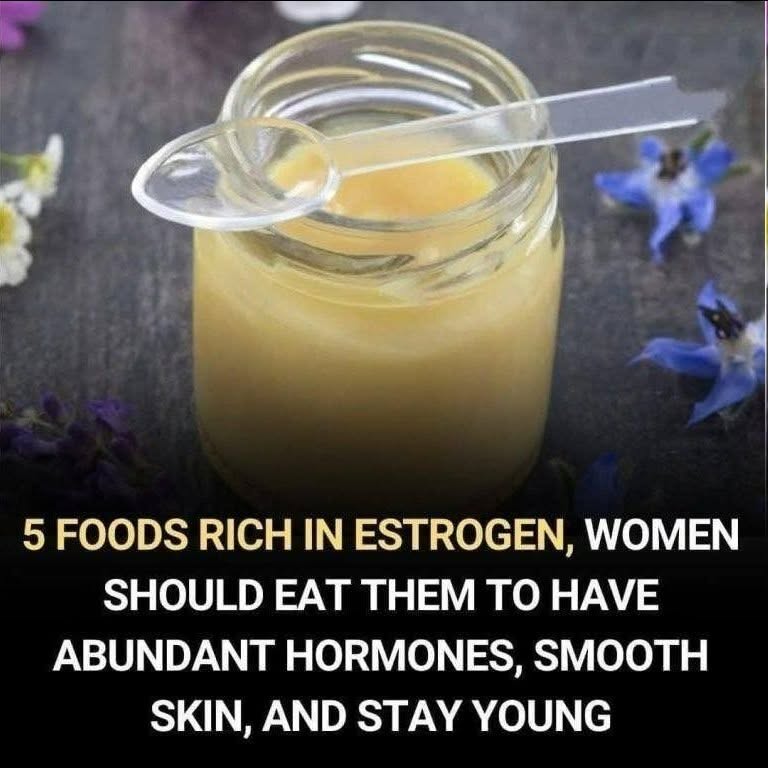
Royal jelly is a nutrient-dense secretion produced by honeybees. It contains phytosterols and flavonoids that may stimulate the body’s own estrogen production. This natural supplement is often used to support hormonal balance, improve menstrual regularity, slow signs of aging, and boost immune function due to its rich amino acid and vitamin content.
Consuming 2 to 3 grams of royal jelly daily might benefit women experiencing hormonal fluctuations. However, it should be used with caution by individuals with pollen allergies, low blood pressure, or digestive sensitivities. Royal jelly can be taken directly or dissolved in warm water.