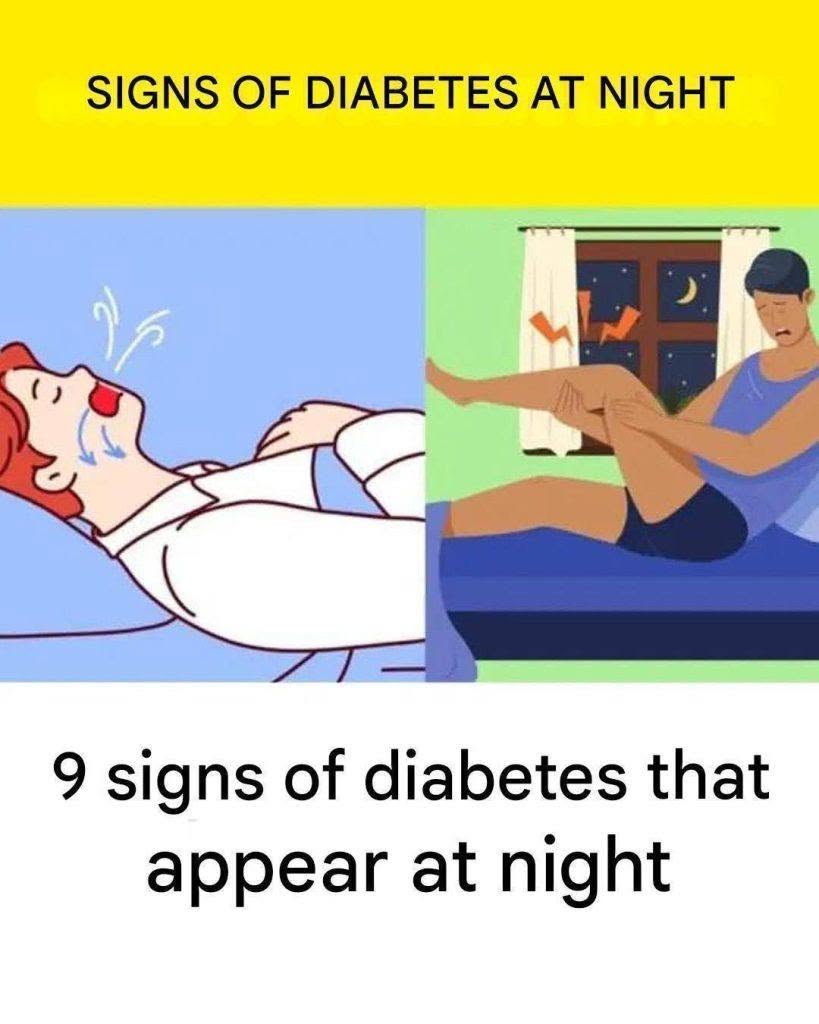
1. Frequent nighttime urination
Frequent urination during the night, medically known as nocturia, is often an early indicator of diabetes. When blood sugar levels are elevated, the kidneys work harder to filter and remove the excess glucose through urine. This process pulls more water from the body, resulting in increased urine production.
Patients may find themselves waking multiple times a night to urinate, disrupting their sleep cycle. This symptom is directly linked to the kidney’s effort to maintain blood sugar balance and can precede a formal diabetes diagnosis.
If you notice this pattern, tracking your fluid intake and frequency of urination can be helpful information to share with your healthcare provider during evaluation.
2. Night sweats from low blood sugar
Episodes of night sweats can occur when blood glucose levels drop too low, a condition called nocturnal hypoglycemia. This is particularly common in people who are managing diabetes with insulin or certain oral medications that increase insulin production.
When blood sugar falls, the body responds by releasing adrenaline, which can trigger sweating, increased heart rate, and anxiety. These symptoms can awaken you from sleep, sometimes accompanied by chills or feelings of panic.
Frequent night sweats should prompt a discussion with your healthcare provider to adjust medication or meal timing to prevent hypoglycemic episodes.
3. Waking with hunger or palpitations
Waking suddenly with intense hunger or heart palpitations can also be signs of blood sugar imbalance. When glucose levels plummet overnight, the body signals the need to replenish energy, causing hunger pangs. Similarly, palpitations arise from the body’s stress response to hypoglycemia.
Other symptoms may include shakiness, confusion, or sweating. These episodes not only disturb sleep but also indicate that your blood sugar regulation needs attention.
Monitoring blood glucose levels with a glucometer, especially if you experience these night symptoms, can provide important data for your doctor to optimize your diabetes management.