4. Restless legs syndrome
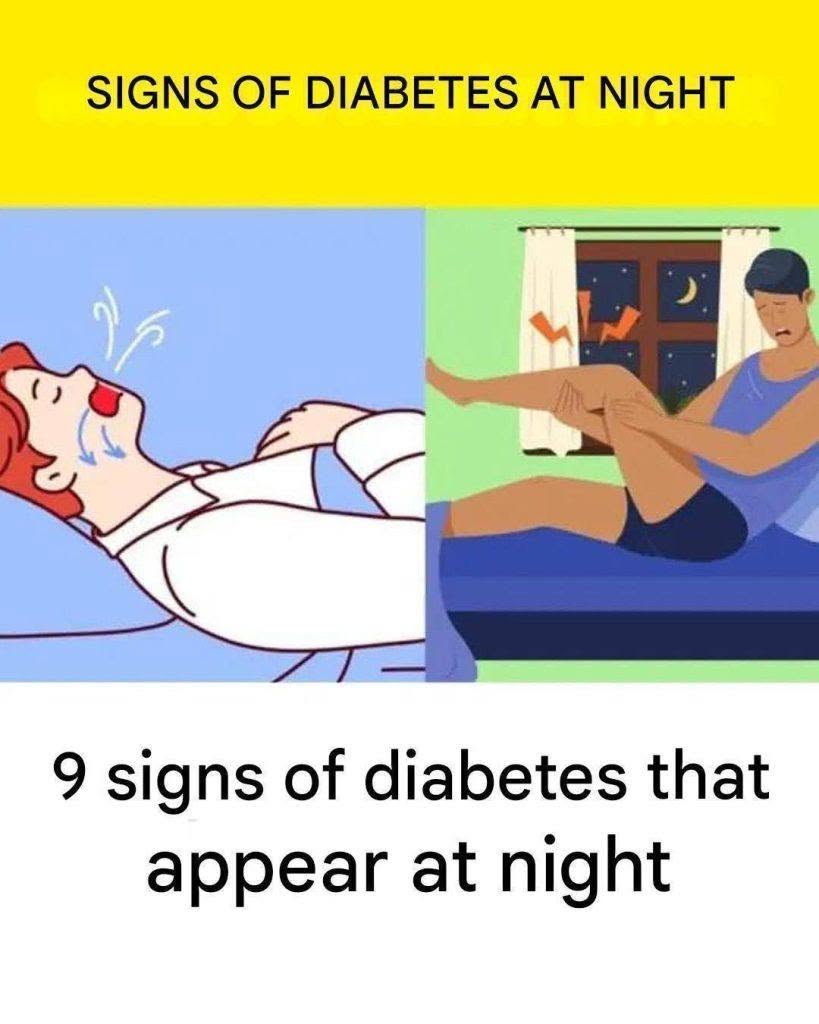
Restless legs syndrome (RLS) is characterized by an uncontrollable urge to move the legs, often accompanied by uncomfortable sensations such as tingling or crawling feelings. In people with diabetes, RLS may be linked to diabetic neuropathy, a form of nerve damage resulting from prolonged high blood sugar levels.
This nerve damage disrupts normal sensory signals, making it difficult to fall asleep and causing fragmented sleep throughout the night. Addressing blood sugar control can reduce progression of neuropathy and alleviate RLS symptoms.
If RLS symptoms persist, your healthcare provider may recommend specific treatments or lifestyle changes to improve sleep quality.
5. Snoring and sleep apnea
Obstructive sleep apnea (OSA) is a common sleep disorder in people with type 2 diabetes, especially those who are overweight or obese. OSA involves repeated pauses in breathing during sleep due to airway obstruction, which leads to fragmented sleep and reduced oxygen levels.
This condition exacerbates insulin resistance and worsens blood sugar control, creating a vicious cycle. Symptoms include loud snoring, gasping for air at night, and excessive daytime sleepiness.
Diagnosis typically involves a sleep study, and treatment options range from lifestyle interventions to continuous positive airway pressure (CPAP) therapy. Managing sleep apnea effectively can improve diabetes outcomes significantly.
6. Excessive thirst at night
Feeling unusually thirsty during the night is a symptom known as nocturnal polydipsia, often tied to high blood sugar levels. Elevated glucose in the bloodstream causes the body to lose water through frequent urination, triggering intense thirst to compensate for dehydration.
This dry mouth and persistent thirst can disturb sleep and may signal uncontrolled diabetes. Keeping hydrated during the day and monitoring blood sugar levels are important steps in managing this symptom.
If you experience persistent nighttime thirst along with other signs, consult your doctor for appropriate evaluation and management.