Emergency Notice: If you experience a sudden, severe headache unlike any before, along with nausea, stiff neck, or loss of consciousness, call emergency services immediately. These may be signs of a ruptured aneurysm, a life-threatening condition requiring urgent medical care.
Understanding Aneurysms: Why Early Recognition Matters
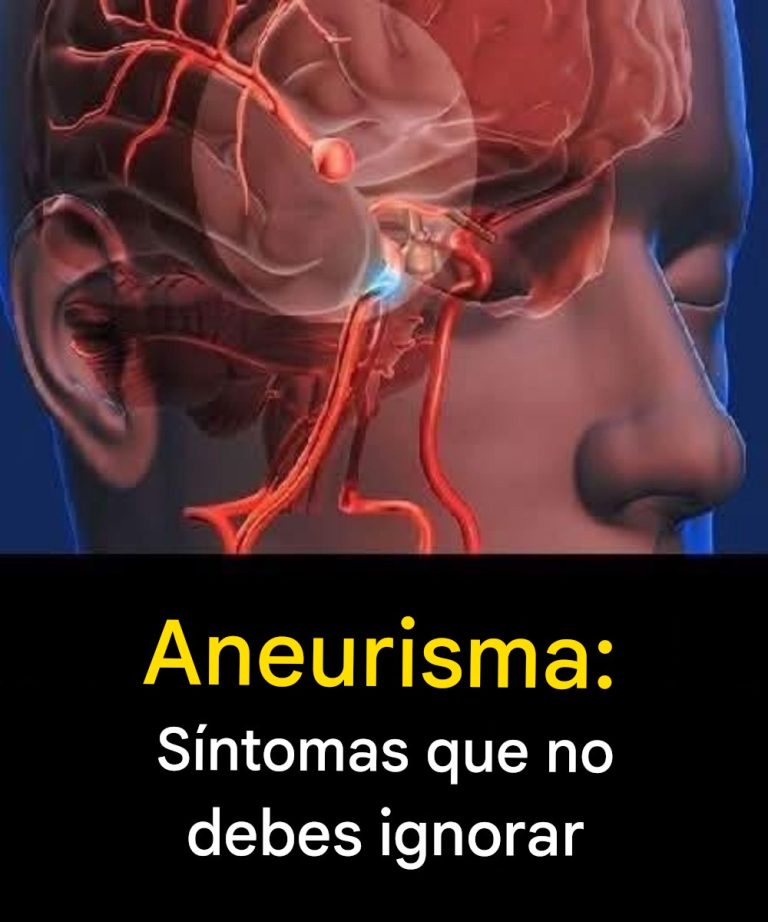
An aneurysm is a dilation or bulge in the wall of a blood vessel that can occur in any artery but is most dangerous when it develops in the brain or the aorta. The primary risk with aneurysms is rupture, which leads to internal bleeding and potentially fatal complications. Recognizing early signs, even subtle ones, can prompt timely diagnosis and treatment, reducing the risk of rupture.
Distinguishing Between Asymptomatic and Symptomatic Aneurysms
Many aneurysms remain silent and grow unnoticed until they rupture, making routine medical screening important for high-risk individuals. However, some aneurysms exert pressure on nearby nerves, causing specific symptoms. Differentiating these can guide when to seek immediate evaluation.
Common Symptoms from Nerve Pressure
When an aneurysm presses on adjacent nerves, particularly in the brain, it may cause:
- Pain localized behind or above one eye
- Dilated pupil on one side
- Blurred or double vision
- Drooping eyelid
- Numbness or weakness affecting one side of the face
These symptoms indicate the aneurysm is affecting nerve function and should prompt medical consultation even without rupture.
Emergency Signs of Aneurysm Rupture
A ruptured aneurysm causes sudden and severe symptoms that require immediate emergency care:
- The worst headache of your life, often described as sudden and explosive
- Nausea and vomiting
- Stiff neck, making it difficult to bend forward
- Sensitivity to light
- Confusion or sudden loss of consciousness
- Seizures
If these signs occur, call emergency services without delay to improve survival chances.
Check Your Medicine Cabinet and Lifestyle Factors
Medications and lifestyle choices can influence aneurysm risk. High blood pressure is a major contributor, so managing hypertension with prescribed medication is essential. Smoking accelerates vascular damage and should be addressed as a key modifiable risk factor. Some connective tissue disorders and genetic conditions also increase susceptibility, which your doctor can evaluate.
Routine blood pressure monitoring and adherence to prescribed treatments can reduce the chance of aneurysm development and progression.
Cost and Screening Considerations
Screening for aneurysms, particularly abdominal aortic aneurysms, may be recommended for certain high-risk groups such as men over 65 with a history of smoking. Ultrasound screening typically costs a few hundred dollars but can prevent expensive emergency treatments, which may exceed tens of thousands of dollars in hospital care if rupture occurs.
Discuss screening options with your healthcare provider if you have risk factors including family history or connective tissue disorders.
Here are the 10 signs you shouldn’t ignore. Number 2 is the one that signals a medical emergency — knowing it can save your life.