3. They’re Living in Cracks You Can Seal
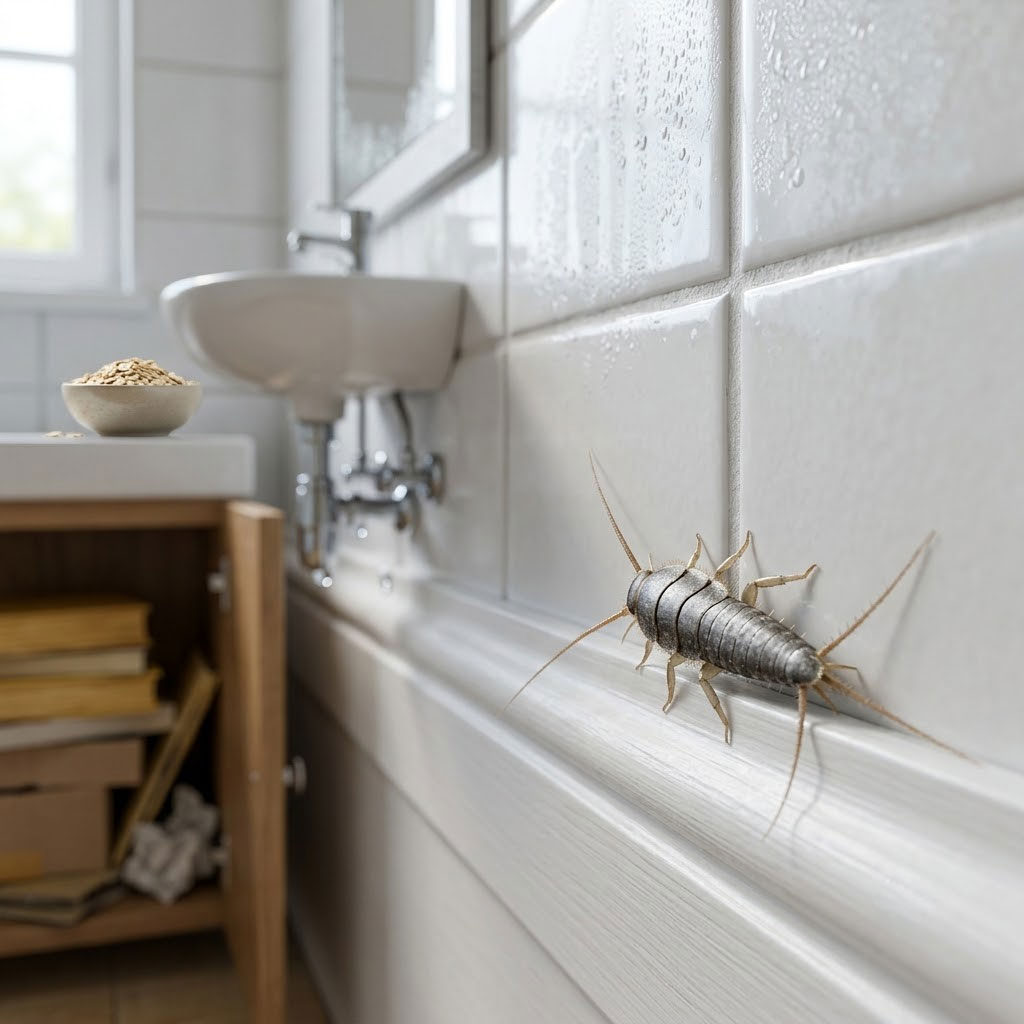
Silverfish are nocturnal and avoid light, spending daylight hours hidden in narrow spaces. Common hiding spots include cracks in baseboards and walls, behind cabinets, under sinks, inside closets, and gaps where plumbing enters walls.
Spotting silverfish during the day often indicates a growing infestation that has outgrown its usual hiding places. Even a few daytime sightings suggest many more are concealed nearby.
Sealing these entry points with caulk or appropriate fillers serves multiple purposes: it reduces their harborage, limits their movement between rooms, and helps control moisture infiltration. Focus on gaps around baseboards, pipe penetrations, window frames, and door thresholds.
- Baseboard and wall cracks
- Spaces behind and under cabinets
- Closet corners and storage areas
- Gaps around plumbing and electrical fixtures
4. They’re Slowly Eating Your Belongings
While silverfish do not harm structural wood, they can damage personal belongings over time. They feed on books, documents, photographs, wallpaper, fabric, stored clothing, and cardboard storage boxes.
If you keep valuable papers, photographs, or off-season clothing in damp areas like basements or attics, these items are at risk. Using sealed plastic storage bins protects your belongings by denying silverfish both food and shelter.
- Books and important documents
- Photographs and keepsakes
- Wallpaper and wall coverings
- Natural fiber clothing and fabrics
- Cardboard boxes used for storage
5. Your Ventilation Isn’t Keeping Up
Rooms with poor ventilation retain moisture much longer than they should. Bathrooms and laundry rooms are typical problem areas where steam and humidity linger after use, creating ideal conditions for silverfish.
Improving airflow and reducing humidity are essential. Ensure exhaust fans are working properly and vent directly outdoors, not into attics or other enclosed spaces. Opening windows when weather permits helps air circulation. Using a dehumidifier in persistently damp rooms maintains lower humidity levels, making these areas less hospitable to silverfish.
- Run exhaust fans during and after showers or laundry
- Confirm exhaust fans vent outside, not into attics
- Open windows regularly for fresh air
- Use dehumidifiers in damp or poorly ventilated rooms
- Address leaks promptly to prevent ongoing moisture






