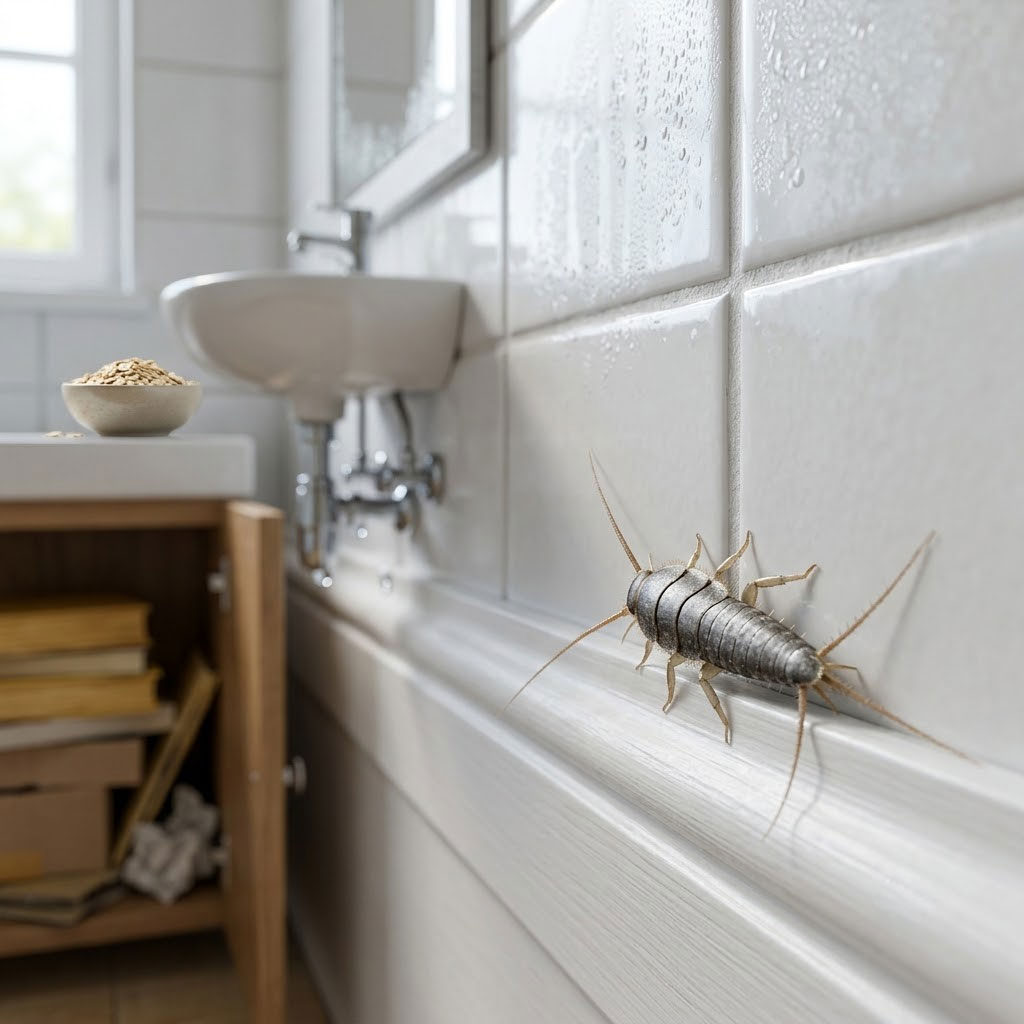
6. Fixing Leaks and Controlling Humidity
Addressing the root cause of moisture is the most effective long-term solution to eliminate silverfish. Leaking pipes, dripping faucets, and slow leaks under sinks or behind toilets provide continuous water sources that sustain high humidity and attract these insects.
Repair any plumbing leaks promptly. Even small drips can elevate local humidity enough to encourage silverfish activity.
In addition to repairs, controlling indoor humidity is crucial. Dehumidifiers help maintain levels below 50%, making your home less hospitable to both silverfish and mold.
- Identify and fix plumbing leaks quickly
- Ensure gutters and downspouts direct water away from foundation
- Use dehumidifiers in basements and other damp areas
- Consider professional waterproofing if moisture intrusion is persistent
7. Sealing Entry Points
Sealing cracks and gaps reduces silverfish access and hiding places. Use appropriate caulk or foam sealants to close gaps around baseboards, windows, doors, and where pipes and wires enter walls.
Pay special attention to areas where moisture may enter or condense, as sealing these spots also helps reduce dampness.
- Caulk gaps in baseboards and molding
- Seal openings around plumbing and electrical lines
- Replace or repair damaged window and door seals
- Fill cracks in walls and foundations
8. Proper Food Storage to Starve Them
Removing accessible food sources denies silverfish their sustenance and limits population growth.
Store all dry food products—such as flour, cereal, oats, and pet food—in airtight containers made of glass, metal, or hard plastic. Clear out paper clutter, including old newspapers, magazines, and cardboard packaging, which provides both food and shelter.
Regularly clean pantry shelves and storage areas to eliminate crumbs and residues.
- Use sealed containers for all dry food
- Remove or recycle unused cardboard and paper piles
- Vacuum and wipe pantry shelves regularly
- Keep pet food stored securely and avoid leaving it out overnight