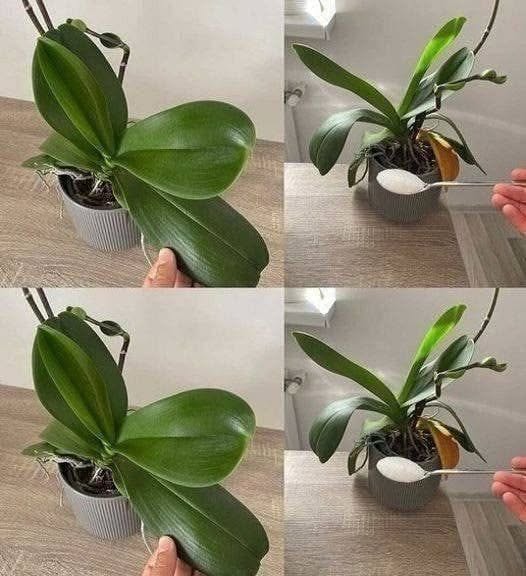
3. How to measure fertilizer correctly
Accurately measuring fertilizer is essential for orchid health. Most commercial orchid fertilizers suggest a dilution rate, but this should be adjusted based on your specific plant’s needs and environmental conditions. Using a digital kitchen scale or precise measuring spoons can help ensure consistent, low-dose applications.
Liquid fertilizers are often preferred because they can be diluted precisely and applied evenly. Fertilizer spikes or slow-release pellets are less flexible and can risk overfeeding if not carefully monitored.
- Prepare a diluted solution at one-quarter to one-half the concentration recommended for typical houseplants.
- Apply fertilizer every one to two weeks during active growth, reducing frequency during dormancy.
- Flush the growing medium periodically with plain water to prevent salt buildup.
4. Choosing the right fertilizer type
Orchid fertilizers come in various formulations. Balanced fertilizers with equal parts nitrogen, phosphorus, and potassium (e.g., 20-20-20) are suitable for general feeding, but specific stages of growth may require adjustments.
For example, a fertilizer higher in nitrogen supports leaf growth during the vegetative phase, while a bloom-boosting fertilizer with more phosphorus promotes flowering. Many growers use a ‘grow’ formula during root and leaf development and switch to a ‘bloom’ formula when flower spikes appear.
Additionally, micronutrients such as magnesium, calcium, and trace elements play a vital role in orchid health and should be present in the fertilizer.
5. Timing your fertilization schedule
Orchids generally benefit from fertilization during their active growing season, which varies by species but often aligns with warmer months and longer daylight periods. Feeding should begin when new growth appears and continue until flowering completes.
During the resting or dormant period, often in cooler months or after blooming, reduce or suspend fertilization to avoid stressing the plant.
Regular, light feedings work best, allowing orchids to absorb nutrients steadily without overwhelming their roots.
- Feed every 7-14 days during active growth with diluted fertilizer.
- Flush the potting medium monthly to prevent salt accumulation.
- Pause feeding during dormancy or when the plant shows no new growth.